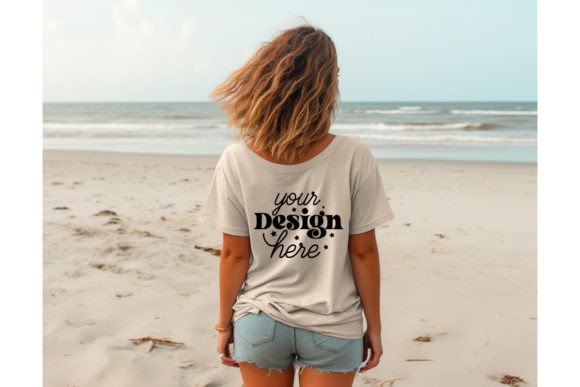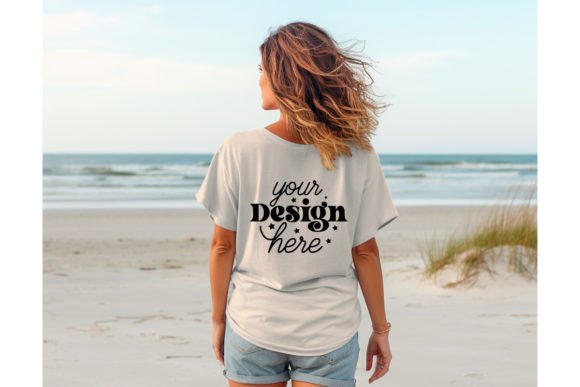
Real Project Review of a Bella Canvas T-Shirt Mockup
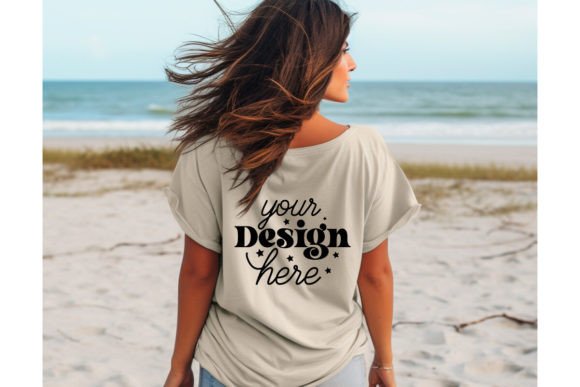
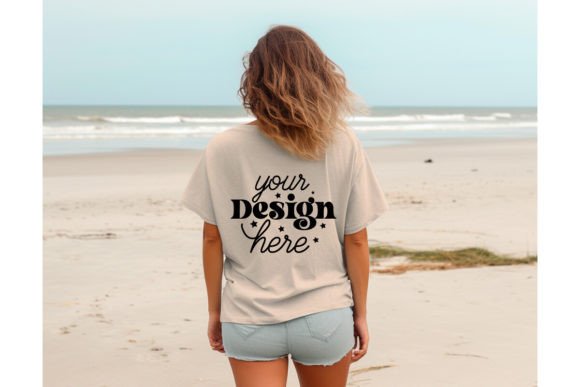
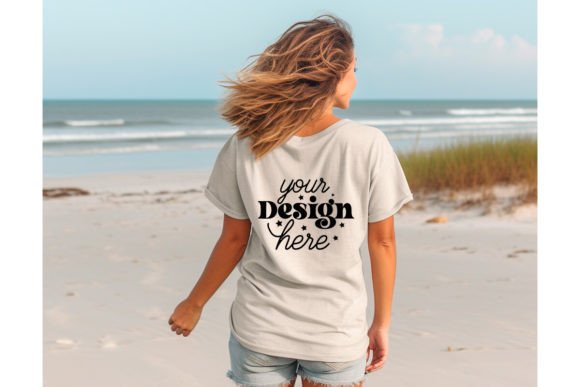
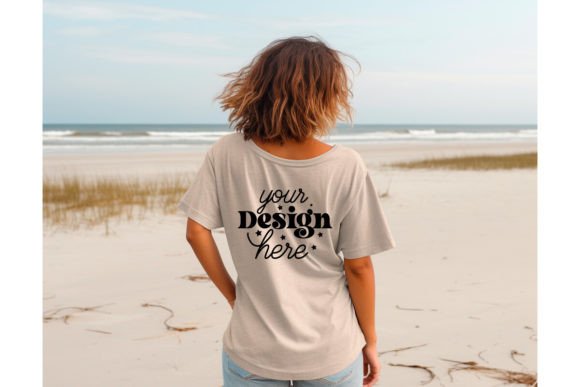
In the world of client work, a great mockup isn’t just a placeholder; it’s the bridge between a flat graphic and a believable product. The Back Natural Bella Canvas 3001 Mockup 20 is one such asset. My first impression upon opening the high-resolution JPEG was its straightforward utility. This isn’t a mockup trying to be art; it’s a clean, blank canvas designed for work. The natural, un-dyed fabric texture and the realistic shadowing from the t-shirt’s fold create an immediate sense of authenticity. It feels honest, grounded, and perfectly suited for projects where the product itself needs to be the hero.
The Kind of Client Projects This Mockup Naturally Supports
This design asset speaks to a specific mood: organic, unfussy, and direct. It naturally fits clients who value transparency and a hands-on aesthetic. Imagine a small business branding a line of handmade herbal teas, a local farm’s event merchandise, or an Etsy shop selling minimalist apparel. For these projects, a polished, studio-lit mockup might feel disconnected. The Back Natural Bella Canvas 3001 Mockup 20, with its natural fabric texture and soft, realistic shadows, helps the design feel tangible and trustworthy. It supports a visual direction that’s less about glossy marketing and more about genuine product presentation.
Where This T-Shirt Mockup Excels in Real Design Situations
In practical application, this graphic design asset performs best in scenarios where the mockup itself is a key part of the final visual. For product mockups on a website or in an online store listing, it provides a believable base. In social media graphics announcing a new t-shirt design launch, it grounds the announcement with a product-focused visual. For print-on-demand sellers creating catalog images, this blank canvas is ready for your design without distracting elements. It’s also invaluable for creating cohesive campaign visuals for a boutique product line, ensuring every poster, flyer, or digital ad shows the product consistently.
Its strength lies in large layout areas. As a hero graphic on a product page, the high-resolution file ensures detail remains crisp. It works wonderfully as a central element in themed collections, allowing you to showcase variations of your design on the same base. For packaging details, like a sticker or label that includes a small product image, it maintains clarity. In supporting brand elements across marketing visuals, from blog posts to Pinterest pins, it builds a reliable visual thread.
Practical Considerations and Where to Use with Care
While versatile, this asset requires thoughtful placement. In crowded layouts with many competing elements, the mockup’s detailed texture might reduce visual hierarchy if your overlay design is also complex. On complex backgrounds, the soft shadows could get lost, making the mockup feel flat. For projects demanding extremely clean, minimalist branding—like a professional corporate report—this natural texture might introduce an unwanted rustic note. The key is intent: use it where product realism is the goal.
How This Asset Affects the Final Design’s Professionalism
Using a high-quality, realistic mockup like this directly impacts client perception. It elevates a t-shirt design from a mere graphic to a proposed product, building visual trust. The audience engages with a more complete idea. For a handmade business or a small business branding project, this polish can make a pitch or a shop listing feel more credible and investable. It reinforces brand consistency by providing a standard frame for your designs across all touchpoints, from editorial design in a newsletter to digital ads.
A Designer’s Checklist Before Committing to a Client Project
Before I would finalize a client concept using this asset, I run a few practical tests. First, I place my design onto the JPEG in my working software, checking how the natural fabric tone interacts with my colors—does it enhance or dull them? I preview the composite image at both large and small sizes to ensure readability of my overlay design remains strong. I test the contrast by imagining the mockup on both light and dark webpage backgrounds.
Since the file is a logo-free JPEG, I confirm its print quality by checking the resolution at the intended output size for things like product labels or printable promotional flyers. Crucially, I verify the commercial licensing terms of the asset itself to ensure my client’s commercial use is covered. Finally, I consider font pairing: a crisp sans serif font on this textured base can feel modern and clear, while a delicate script might evoke a crafty, personal touch. The mockup supports various styles, but the pairing defines the final mood.
The Final Judgment for Your Creative Marketplace Toolkit
The Back Natural Bella Canvas 3001 Mockup 20 is a specialized, high-quality tool. It won’t be the right choice for every project, but for the projects it fits—where a natural, product-forward aesthetic is key—it is exceptionally effective. It transforms a digital design into a believable product visual, which is often the core need in e-commerce, print-on-demand, and small business marketing. For a designer curating a library of reliable assets, this mockup is a straightforward, professional-grade option for t-shirt graphics and related merchandise, worth considering for those specific, realism-driven client briefs.