A Real Designer's Take on the Bella Canvas 3001 Mockup
The First Impression: Practical Canvas, Not a Showpiece
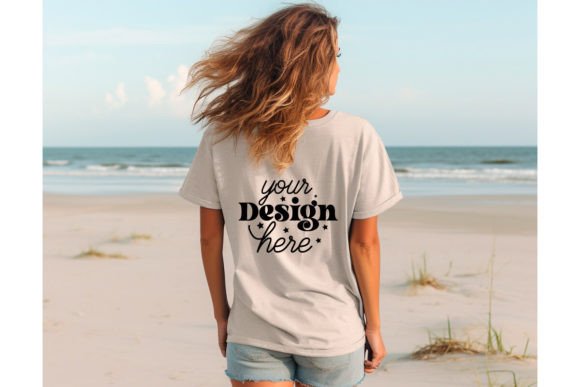
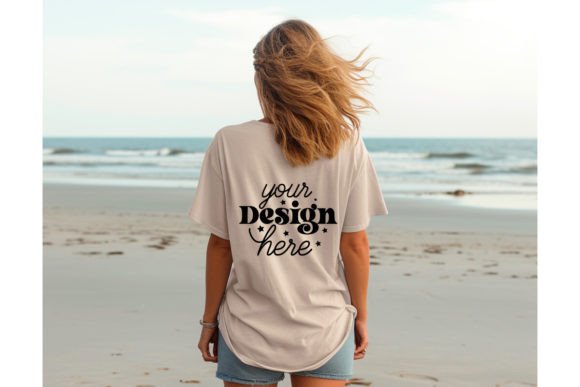
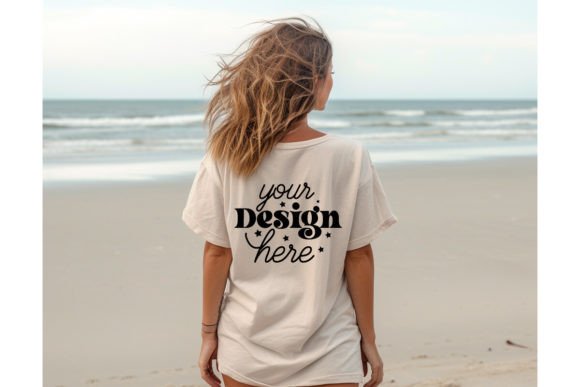
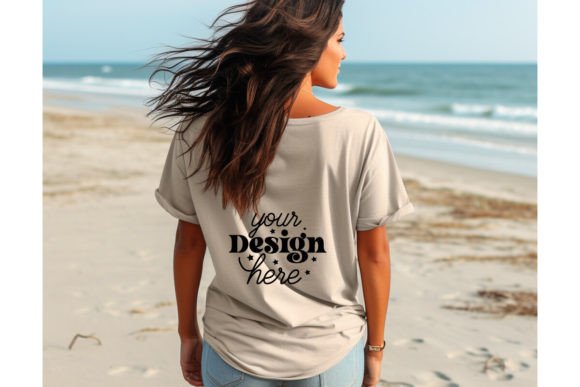
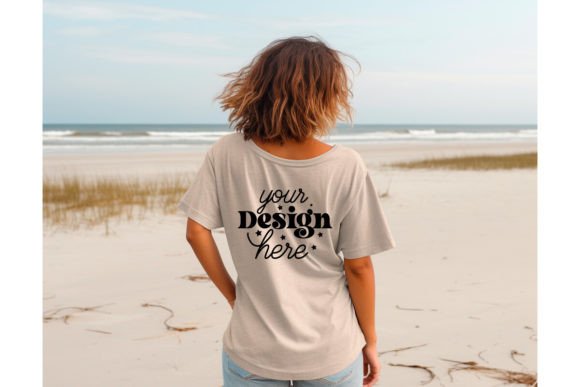
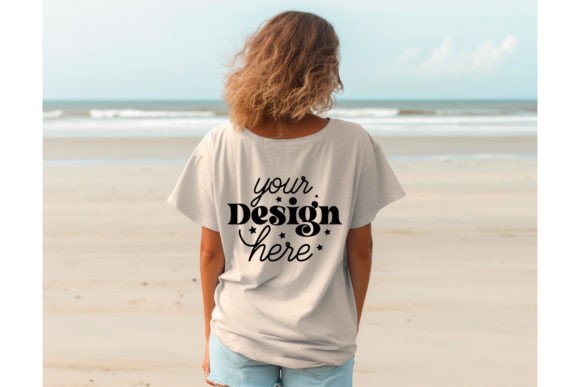
When I look at the Back Natural Bella Canvas 3001 Mockup131, my designer brain doesn't see a flashy graphic. I see a blank canvas, and that's precisely its power. The mockup presents a straightforward, clean view of a garment back. This isn't a design screaming for attention; it's a professional tool waiting for your embroidery to become the hero. The mood it creates is one of readiness and potential. It feels neutral, trustworthy, and classic—the perfect foundation for showcasing your stitch work without any visual competition.
Where This Mockup Thrives in Real Embroidery Projects
Let's talk about real-life use. I recently needed to present a custom tote bag design to a boutique client. My embroidery file was a intricate floral applique design, but showing them a flat digital file wasn't convincing. Using this Bella Canvas mockup, I placed my finished stitch simulation onto the blank t-shirt image. Suddenly, the client could visualize the scale on an actual garment, how it would sit on the back, and the overall proportion. That's the magic here.
This mockup is your silent partner for client presentations, Etsy listing photos, and your own project planning. It performs brilliantly for visualizing custom apparel like sweatshirts and t-shirts, but its utility stretches far beyond. Think about embroidered patches for caps, a personalized name on a baby blanket, a festive motif on a holiday apron, or your brand logo on small shop merchandise. It helps you judge if your embroidery design's density and detail level will look balanced on a finished product before you ever load the hoop.
Beyond Apparel: The Gift and Business Advantage
For crafters making personalized gifts, this mockup boosts your confidence. Imagine designing a wedding gift for a couple. You can preview your satin stitch monogram on this natural fabric background, ensuring the thread color contrast feels elegant and not overpowering. For the Etsy seller, using this for your listing photos directly affects customer trust and perceived product value. A clean, professional mockup suggests a meticulous, professional maker. It elevates your handmade presentation, makes your brand consistent across listings, and significantly enhances giftability—the buyer can instantly picture it as a finished, desirable item.
Careful Considerations for Embroidery Application
While the mockup is a fantastic visualization tool, it reminds us to think critically about the actual embroidery application. The image represents a typical t-shirt fabric. In practice, you must consider how your chosen embroidery file will interact with real fabric. For instance, a design with very dense fill stitch areas might be stunning on this mockup, but on a thin, stretchy Bella Canvas 3001 material, it could cause puckering without the proper stabilizer.
This visual encourages you to ask crucial questions before stitching: Will small details and tiny lettering remain clear on a textured fabric? How will dark fabric backgrounds alter your chosen thread colors? If adapting this for a curved surface like a cap, will the layout still feel balanced? The mockup doesn't answer these, but it frames the question perfectly, pushing you towards a better finished product.
A Scenario: Preparing for a Craft Fair
Picture this: You're preparing a line of embroidered tea towels for a craft fair. You have five different designs. Using the Back Natural Bella Canvas 3001 Mockup131, you quickly generate a cohesive set of product previews for your marketing materials. It saves you from photographing each physical prototype, but more importantly, it allows you to compare the designs side-by-side on a consistent background. You notice one design looks too small, another too busy. You adjust your embroidery files before any stitching is done, saving time, thread, and fabric. That's practical design judgment.
Practical Notes for the Embroidery Designer
My strongest advice is this: treat this mockup as a vital step in your process, not the final step. It provides the visual context to make smart decisions.
- Test First, Mockup Second: Always test the actual embroidery design on scrap fabric first, checking stitch density and hoop size requirements. Then, use the mockup to visualize that tested result.
- Color Contrast is Key: Use the mockup to review your thread color choices against both light and dark fabric backgrounds. A color that pops on the natural mockup might vanish on a black garment.
- Inspect the Details: Zoom in on the high-resolution JPEG. Does your design's intricate running stitch border look clear? Do the corners of your applique design appear sharp? This scrutiny prevents customer disappointment.
- Stabilizer and Texture: The mockup shows a flat surface. Remember, real fabric has texture and movement. Your choice of stabilizer will make or break the translation from this clean image to a real sweatshirt or baby clothes item.
- License and Use: The mockup itself is a blank graphic asset. Before selling finished products or digital products featuring your embroidery, confirm the licensing of both the mockup and your embroidery file. Ensure your commercial embroidery project is fully covered.
The Final Verdict: A Trustworthy Foundation for Better Work
The Back Natural Bella Canvas 3001 Mockup131 doesn't add artistic flair; it adds professional clarity. It's a tool that helps embroidery designers, small business owners, and hobbyists bridge the gap between a digital embroidery file and a physical, stitched product. By providing a realistic and neutral stage, it forces you to evaluate your work objectively, leading to better visual appeal, clearer stitching presentation, and ultimately, higher buyer engagement. It fits naturally into the workflow of anyone who cares about the final look of their craft—from a personalized gift for a friend to a full line of boutique branding. Use it as your critical eye, and your real embroidery projects will thank you.