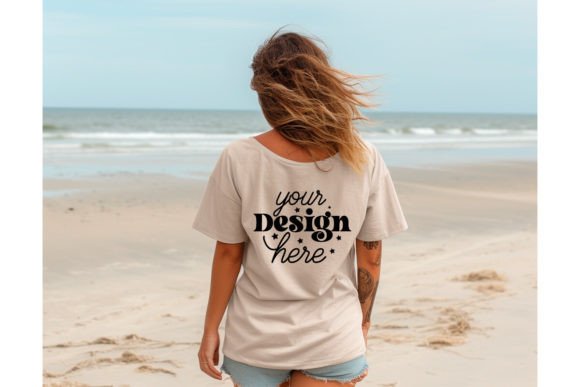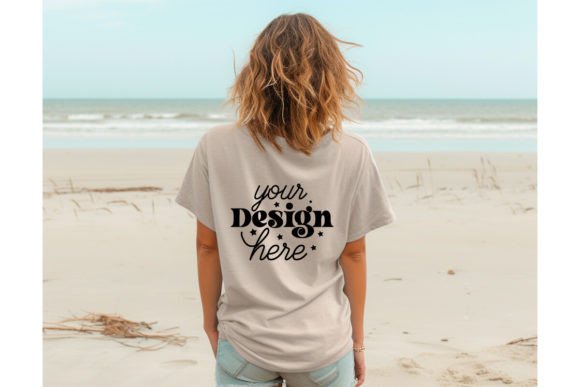
A Bella Canvas Mockup for Embroidery Designers
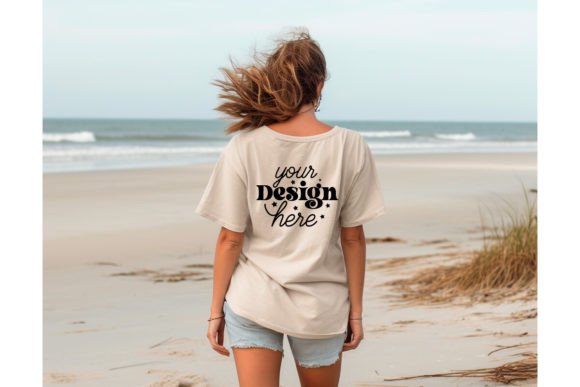
As an embroidery designer who uses mockups daily for client presentations and project planning, I look for assets that serve a practical purpose. The Back Natural Bella Canvas 3001 Mockup180 isn't just a graphic; it's a foundational tool for visualizing how our stitches will live on a real garment. Here’s my evaluation from the perspective of preparing real, stitched products.
First Impression: A Clean Canvas for Creative Judgment
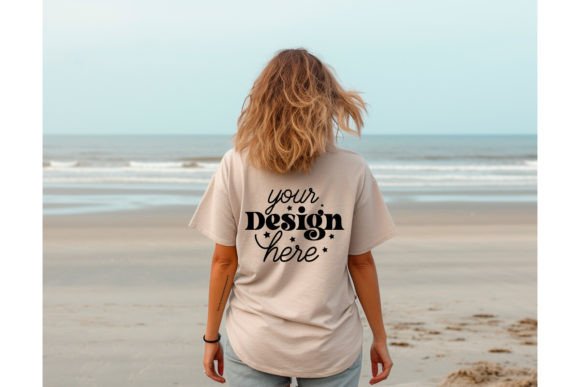
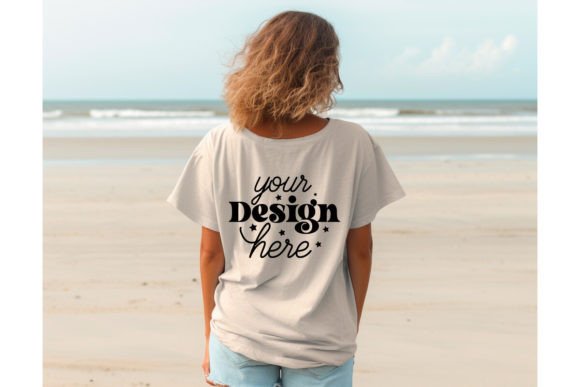
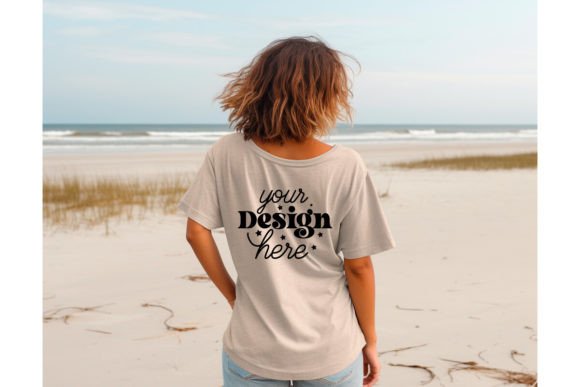
The first thing you notice is its simplicity. The ‘back natural’ view of a classic Bella Canvas 3001 tee provides an honest, unadorned stage. This isn’t a mockup with distracting shadows or dramatic lighting; it’s a straightforward, high-resolution blank tee. This creates a neutral, professional mood. It allows you, the designer, to judge your embroidery design purely on its own merits—how the layout sits on the shirt, how the scale feels, what the overall visual personality will be before you ever thread the needle. For small business owners and Etsy sellers, this clarity is invaluable for making confident design choices.
Where This Mockup Becomes a Real Project Partner
Imagine you're preparing a batch of custom embroidered sweatshirts for a local boutique. You have a floral design with some satin stitch borders and fill stitch details. Using this Bella Canvas mockup, you can superimpose your embroidery file onto the tee image in your software. Suddenly, you're not just looking at a design on a white screen; you're seeing it on the fabric texture and shape it will actually occupy. This is crucial for assessing placement for a left chest logo, a full-back statement piece, or even a subtle shoulder detail. It translates digital designs into tangible previews for tote bags, baby clothes, aprons, or caps.
For crafters making personalized gifts, like a holiday-themed pillow cover, this mockup helps visualize the final product for the recipient before you stitch. It answers the question, “Will this look good there?” For commercial embroidery projects and digital product sellers, it provides a clean, branded-looking preview for your listings, helping potential buyers see the application instantly, which builds trust and engagement.
Performance in Real-Life Embroidery Situations
The true test of any mockup is how it correlates to the finished, stitched product. Because this is a graphics file representing a specific tee—the Bella Canvas 3001—it gives you a realistic fabric backdrop. When I think about applying an embroidery design, I consider fabric texture and drape. This mockup’s ‘natural’ view reminds you that your stitches will sit on a cotton jersey surface. That influences decisions about stitch density and stabilizer choice. A dense fill stitch area might look great on the mockup, but the mockup itself prompts you to remember it needs proper support on the real, stretchy fabric to prevent puckering.
It excels for projects like custom apparel, boutique merchandise, and handmade shop products where presentation is key. Uploading a mocked-up image of your design on this tee to your Etsy listing or craft fair catalog shows professionalism. It tells customers you’ve thought about the final product holistically. For embroidered patches intended for application, you can use the mockup to judge how the patch will look once sewn onto a similar garment.
Considerations for Careful Use
While the mockup is a powerful visualization tool, it doesn’t replace hands-on embroidery knowledge. It shows you a flat, back view. This means you must still apply your expertise for certain applications. For instance, if your project involves curved surfaces like caps, this tee mockup won’t show that curvature, so you’ll need to adjust your design perception accordingly. It also represents a light-colored, ‘natural’ fabric.
This is a critical reminder: always test your embroidery design on scrap fabric first, especially if moving to dark fabrics. The mockup shows a light background, but your thread color contrast will dramatically change on a black shirt. Similarly, for designs with tiny lettering or detailed corners, the mockup helps with placement, but you must still inspect those small details at the machine hoop size to ensure stitch clarity. It encourages you to check things like whether the design fits within your physical hoop size for the project.
How This Mockup Affects Your Product's Appeal and Value
Using a clean, high-quality mockup like the Back Natural Bella Canvas 3001 Mockup180 directly enhances your product's perceived value. For a handmade presentation, it allows you to create polished, consistent previews that align with your brand. A customer looking at a mocked-up embroidered tote bag design feels more confident in the purchase; they can visualize the gift or item they’ll receive. This boosts buyer engagement and can turn a casual browser into a buyer.
For embroidery designers selling digital embroidery files, including a mockup application image using a trusted blank like this adds immense professionalism. It shows you’ve considered the end-use. It aids in brand consistency across your shop. Furthermore, for your own craft business items, using this to pre-visualize holiday gifts or wedding gifts ensures the final stitched product meets your aesthetic expectations, increasing its giftability and recognition.
Practical Notes for the Working Designer
My process always involves a few key steps after using a mockup for visualization. First, I never skip testing the actual embroidery design on scrap fabric, matching the final project's fabric type as closely as possible. Second, I use the mockup to compare how the design looks on both light and dark backgrounds by altering the mockup image itself, which informs my thread palette choices. Third, I consider stabilizer needs based on the fabric texture implied by the mockup—a tee like this will need appropriate stabilizer for a clean stitch.
Most importantly, since this product is a graphics file for mockups, and not an embroidery file itself, I always confirm the licensing of my actual embroidery design files before selling finished items or digital products. The mockup is a tool for presentation and planning. Remember to check the specifics of your embroidery file—its true stitch count, compatible hoop sizes, and machine compatibility—before committing to a real project. The Back Natural Bella Canvas 3001 Mockup180 gives you the stage, but your embroidery design is the performer.
In summary, this mockup is a thoughtful, practical asset for anyone in the embroidery space. From the hobbyist making a personalized baby item to the commercial embroidery shop planning a client’s apparel run, it provides a clear, realistic canvas for making better design decisions, creating engaging product previews, and ultimately, delivering more successful and visually appealing embroidered projects.