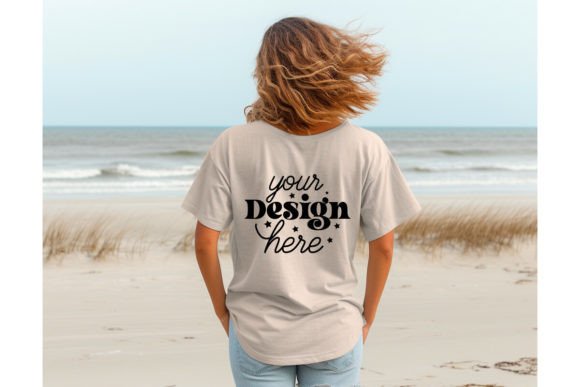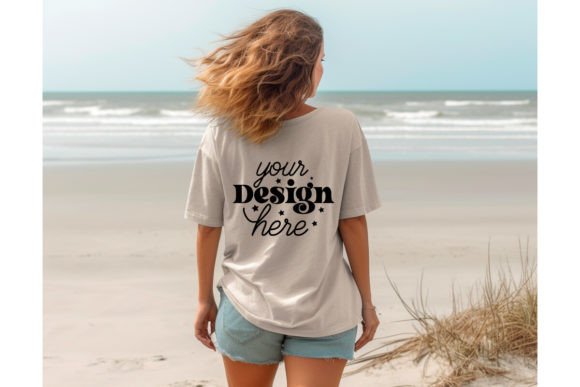
A Bella Canvas 3001 Mockup for Embroidered Product Preview
If you've been embroidering for any length of time, you know the gap between a digital file and a finished, stitched product can feel massive. You visualize a design on a sweatshirt or tote, but until you see it rendered on the actual garment shape, it's just an idea. That’s where a good mockup becomes a crucial tool, not just a pretty picture. Today, I’m looking at the Back Natural Bella Canvas 3001 Mockup122 from a practical, hands-on perspective. As someone who uses these assets daily for client previews, Etsy listings, and my own craft business planning, I want to share how this specific graphic performs when you’re thinking about real thread and real fabric.
The First Impression: Clean Canvas for Realistic Preview
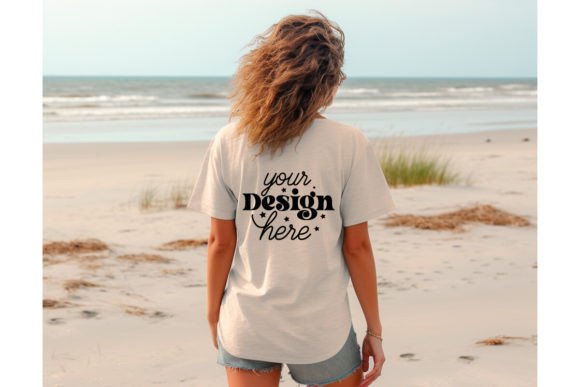
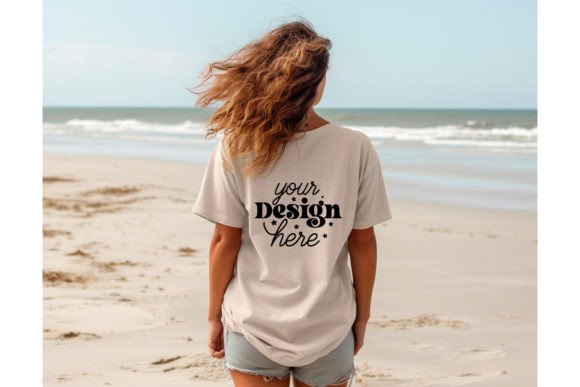
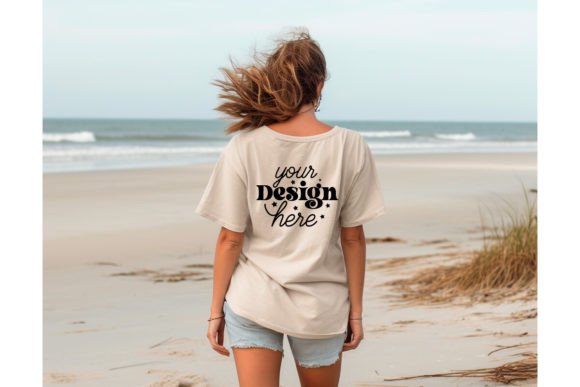
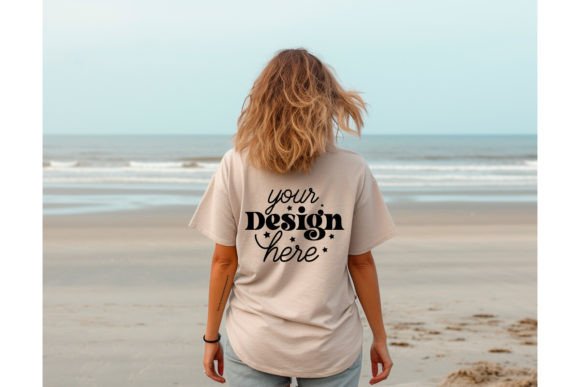
Opening the Back Natural Bella Canvas 3001 Mockup122, the immediate feeling is clarity. It’s a straightforward, clean view of a Bella Canvas 3001 tee’s back. There’s no distracting background or artificial shadows that overpower your design. This blank, high-resolution JPEG acts like a neutral stage, waiting for your embroidery to take the spotlight. The mood it sets is professional and realistic—it doesn’t promise a fantasy outcome; it shows you the actual canvas you’d be working on. For embroidery designers and product creators, this is invaluable. You’re not selling a dream; you’re presenting a probable, beautiful result.
Where This Mockup Shines in Real Embroidery Projects
Let’s talk about application. I recently used this mockup to preview a custom floral design for a series of boutique tote bags. The client wanted to see how the motif would sit on the bag’s back panel, which has a similar flat, broad surface to this t-shirt mockup. Placing my embroidery file onto this graphic gave us both a instant, honest sense of scale and placement. It translated perfectly to the real project.
This mockup is a natural fit for previewing designs meant for custom apparel like sweatshirts, t-shirts, and hoodies. It’s equally powerful for tote bag designs, aprons, pillow covers, and tea towels—any product with a similar flat, rectangular area. For craft businesses and Etsy sellers, this image is a ready-made digital product preview. It elevates your listing from a simple embroidery file image to a styled, finished product visualization, which builds customer trust and boosts buyer engagement. It answers the question, “What will this look like on my item?” before the customer even asks.
Thinking Beyond the T-Shirt: A Versatile Foundation
While categorized under T-Shirts and Graphics, don’t let that limit your imagination. The simplicity of this back view makes it a fantastic base for embroidery project previews across many categories. Imagine using it to mock up a holiday embroidery design for a gift sweater, or a cute baby embroidery motif for a nursery blanket. For small shop product lines, it ensures brand consistency across your mockups, making your entire storefront look cohesive and professional.
Practical Considerations for Stitching Success
A mockup shows the potential, but our job is to make the stitching live up to it. Using this graphic forces you to think critically about your embroidery file. When you overlay your design, you must assess its suitability for this kind of garment area.
Where you need to be careful: This mockup represents a broad, flat surface, which is ideal. However, if your design has extremely tiny lettering or detailed corners, you need to consider whether the stitch density and small elements will remain clear on a real, possibly textured, fabric. Also, while the mockup shows a natural color fabric, if you plan to stitch on dark fabric, the visual appeal will change drastically—always check thread color contrast. For projects on stretchy fabric or thin fabric, the mockup reminds you to consider stabilizer choice to preserve that clean look.
It also subtly prompts you to think about hoop size. A design that looks perfectly proportioned on this mockup might require a larger hoop than you typically use. Always test the design on scrap fabric first to confirm.
How This Asset Elevates Your Professional Process
Using the Back Natural Bella Canvas 3001 Mockup122 isn't just about making a nice picture. It affects the entire value chain of your embroidery project. It enhances the handmade presentation, making your work look intentional and market-ready. For personalized gifts or commercial embroidery projects, showing a client this mocked-up preview increases their confidence and the perceived product value. It turns your digital embroidery file into a tangible vision.
For digital product sellers, this mockup is a key design asset. It allows you to create beautiful, consistent printable mockups for your listings without needing to physically stitch every sample. This saves tremendous time while maintaining high-quality professionalism.
A Note on the Details Provided
The product includes one high-resolution, logo-free JPEG. This is perfect for the use cases described. However, as a professional reviewer, I must advise: always confirm licensing before selling finished items or digital products that incorporate this mockup. Also, since specific details like exact compatibility or embedded metadata aren’t provided here, it’s wise to test it in black and white mockups and compare light and dark fabric backgrounds to ensure it meets all your project needs. The file is a graphic tool; your embroidery skill and due diligence make it a business tool.
Final Thoughts from the Worktable
In my daily work, from preparing embroidered patches for a local shop to designing wedding gifts, a reliable mockup is a partner in the process. The Back Natural Bella Canvas 3001 Mockup122 is that kind of partner. It’s unassuming, high-quality, and ready to work. It doesn’t over-promise; it simply provides a clean, realistic frame for your creativity. Whether you’re a hobbyist making a special cap or a creative entrepreneur building a line of craft fair products, this asset helps bridge the gap between your digital design and the wonderful, textured reality of satin stitch and fill stitch on a real product. Use it to visualize, to plan, and to present—then get back to the real joy: the stitching itself.